Get a Quote
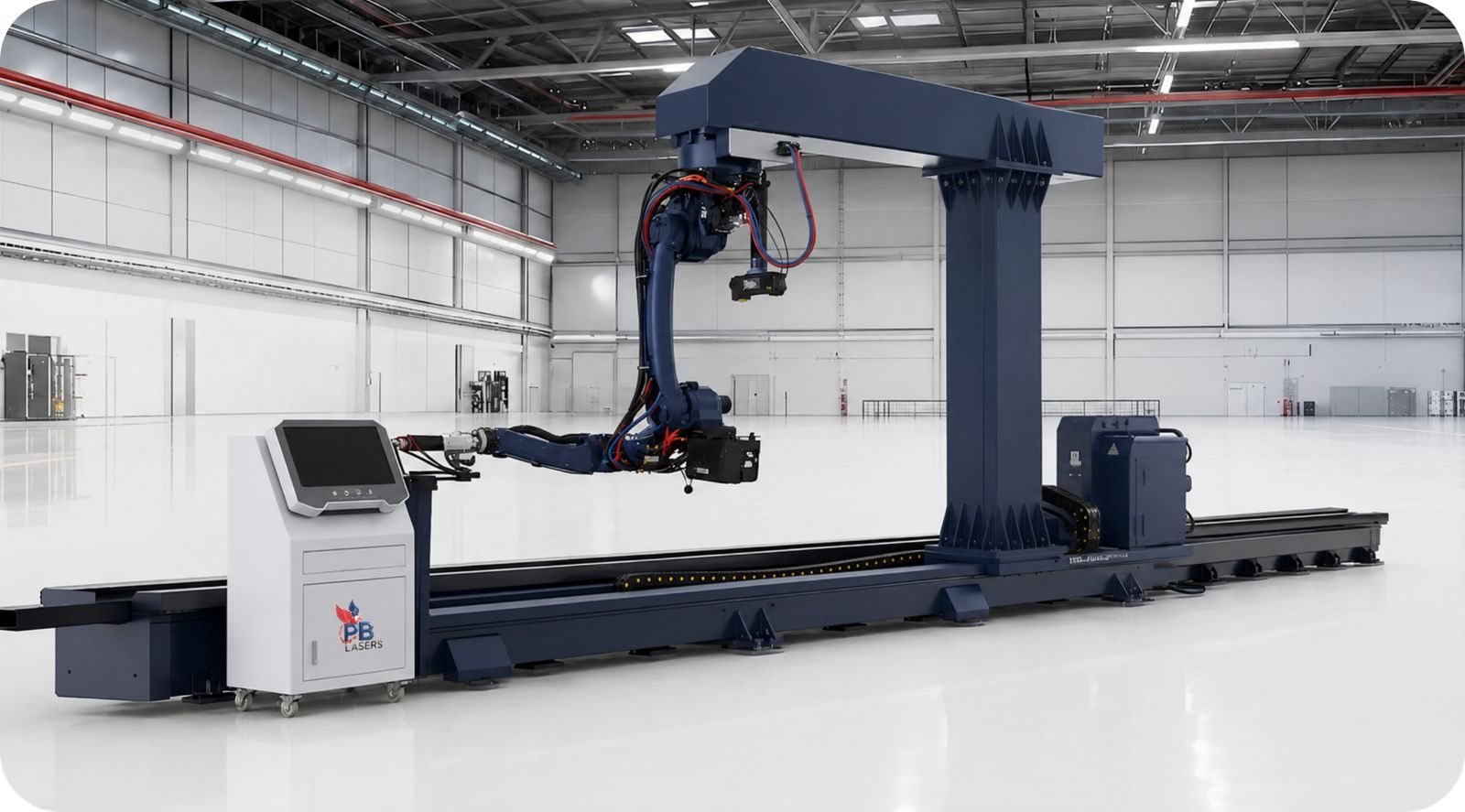
Weldrix dark navy seven-axis robotic welding workstation traveling on a ground rail
WELDRIX™ · AI Robotic Welders
Weldrix 7-Axis Ground-Rail Robotic Welding Workstation: Import the Model. Press Start. Weld.

Teach-free robotic welding for structural steel: the system reads the assembly, generates the weld paths, finds the seam, and keeps production moving with North American support behind it.

7-Axis Ground-Rail Robotic Welding Workstation
Built for Structural Fabrication

The Welding Cell for Work That Is Too Long, Too Variable, and Too Repetitive to Keep Teaching by Hand.

WELDRIX™ automates MIG/MAG (GMAW) welding for structural-steel and heavy-fabrication shops producing beams, columns, base plates, gussets, brackets, flanges, and similar weldments.

Traditional robot programming makes sense when every part is identical and the cell never changes. Structural fabrication is different. Fit-up moves. Assemblies get longer. Joint locations vary. WELDRIX™ is designed around that reality: import the model, let the system build the weld plan, then use three-dimensional seam sensing to correct the path against the actual workpiece.

PB Lasers brings the same engineer-led, North American-supported approach to welding automation that we bring to cutting: production capability without the big-name overhead.

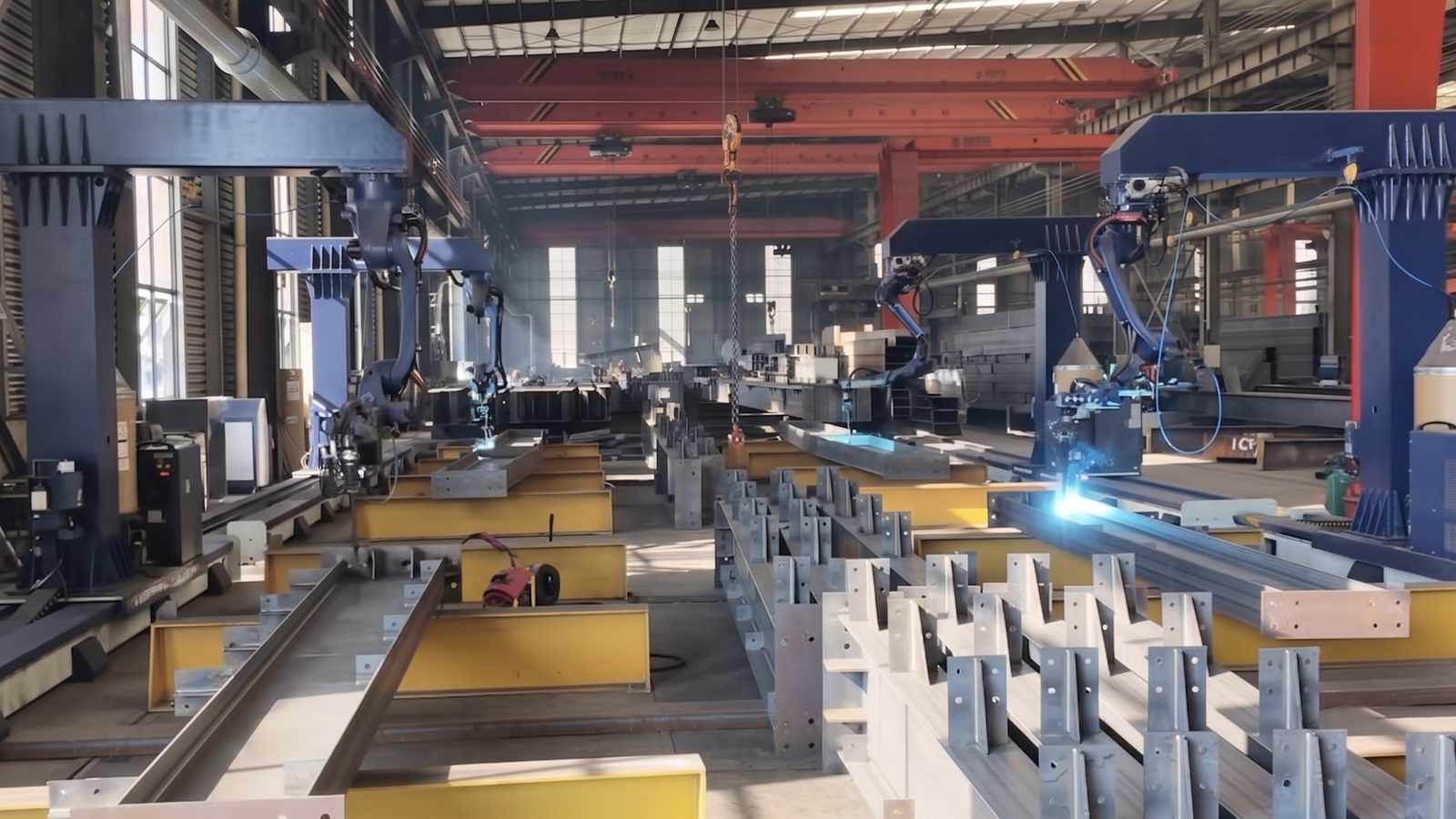
Robotic welding stations working on structural-steel beams in a production facility
Robotic welding stations running structural-steel beams in production.
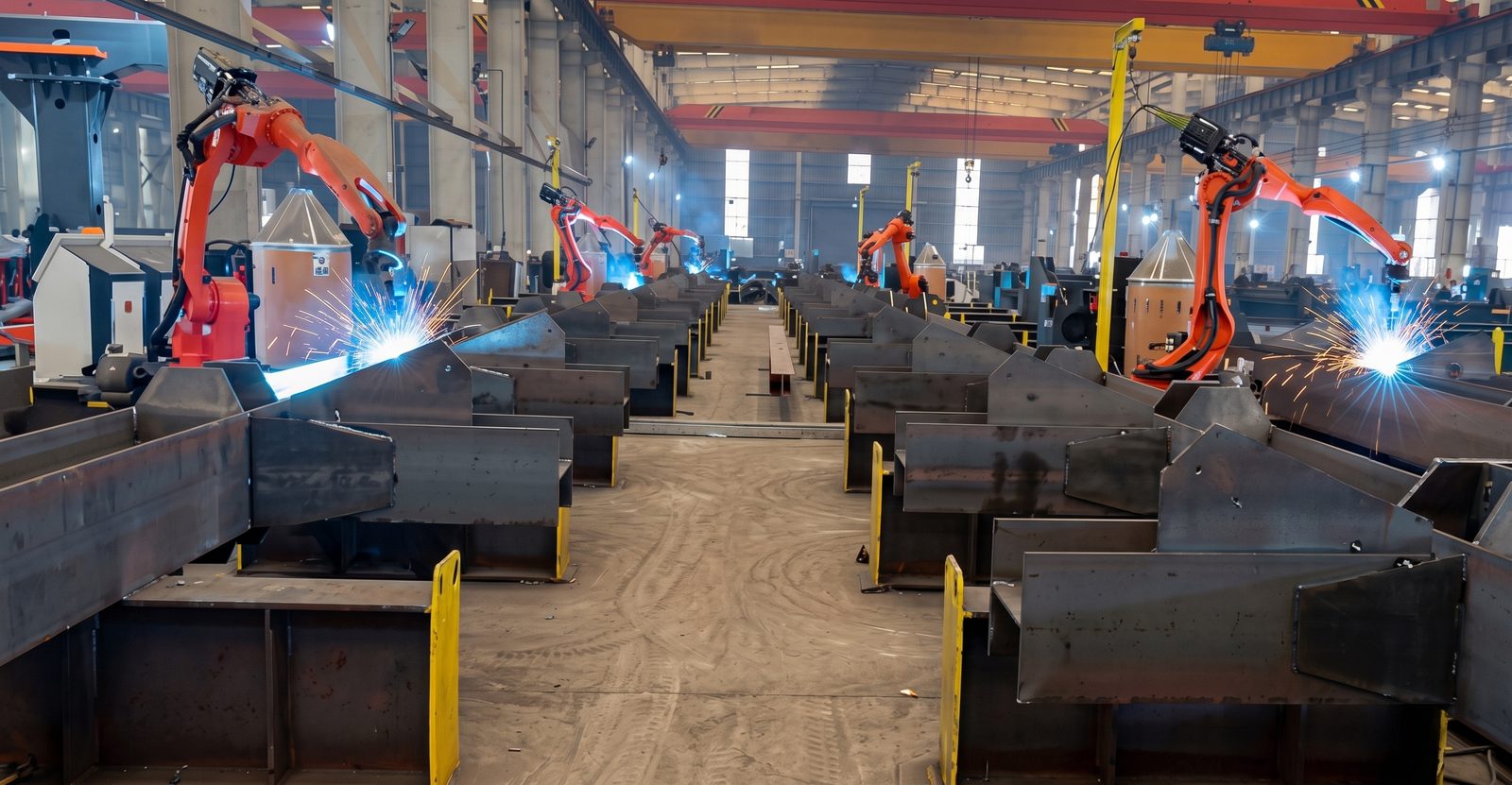
Multiple robotic welding stations laying weld beads along long structural-steel assemblies
Ground-rail robotic welders laying automated beads along long weldments.
Key Highlights

Seven Axes Built Around the Weld, Not the Demo.

Every major system serves one goal: keep the torch moving accurately across real structural assemblies with less programming and fewer interruptions.
/ 01

Seven Axes. One Continuous Work Zone.

A six-axis welding robot rides a servo-driven ground rail, extending controlled reach across long beams, columns, and large assemblies without breaking the work into short stations.
/ 02

Teach-Free AI Programming

Import your structural-steel CAD/BIM model, including Tekla files. The system splits the assembly, matches the welding process, and generates weld paths automatically. No manual teaching. No programming.

/ 03

3D Laser Seam Finding & Tracking

High-speed 200 fps sensing locates each joint and adapts the path to fit-up gaps and part-to-part variation in real time, instead of assuming every assembly matches the drawing perfectly.

/ 04

Long Reach. Repeatable Motion.

Approximately 2 m (79 in) of robot reach and ±0.08 mm repeatability cover deep joints and changing weld positions with controlled, repeatable motion.

/ 05

Configurable Ground Rail

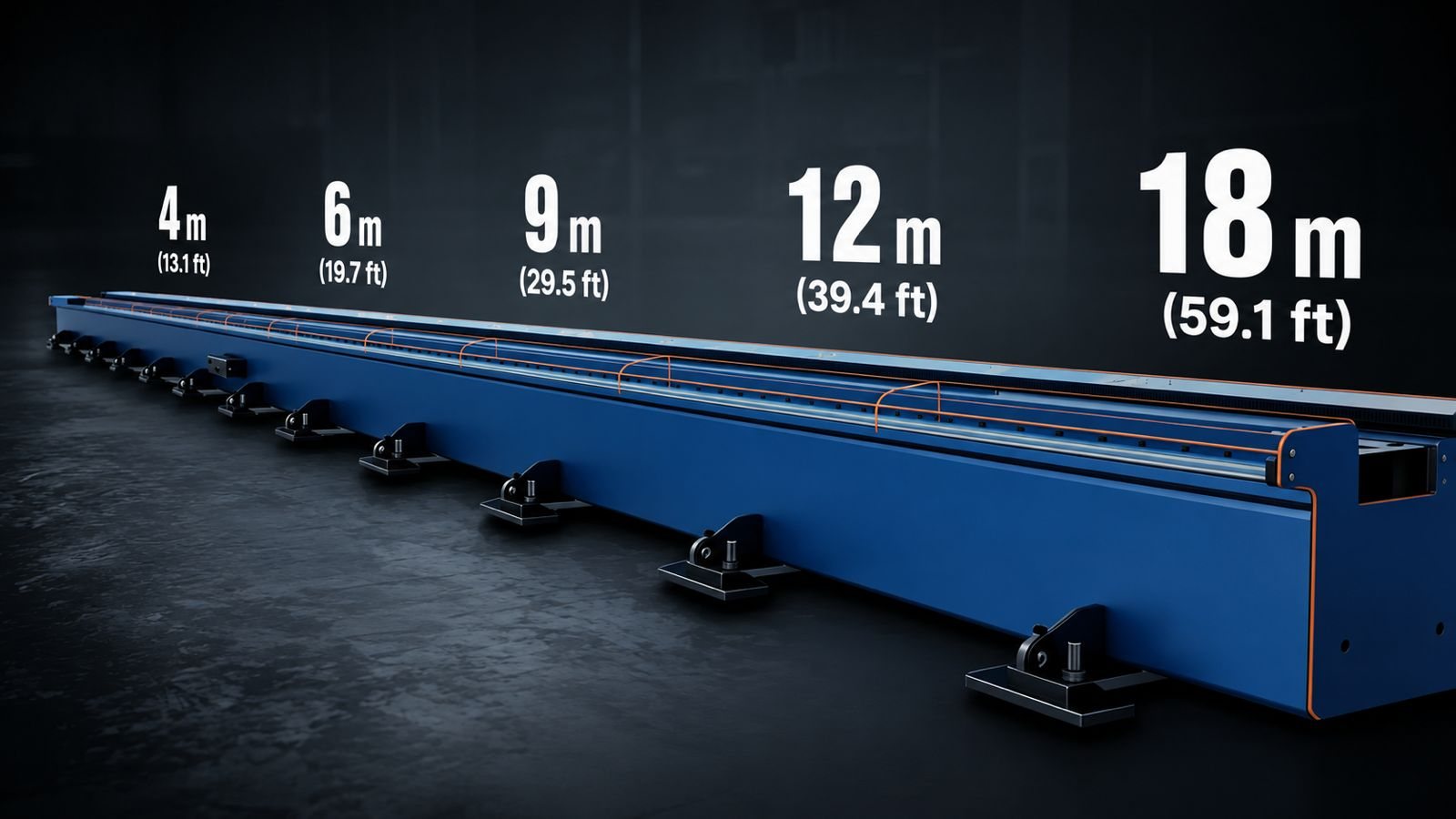
Choose rail lengths from approximately 4 m to 18 m (13–59 ft), with loads up to 1,500 kg per fixture end, ±0.1 mm repeatability, and traverse speeds up to 1.7 m/s.

/ 06

Built for Lights-Out Runtime

Up to 500 A digital MIG/MAG power at 100% duty cycle, a water-cooled anti-collision torch, and automatic wire cutting, nozzle cleaning, and anti-spatter care keep the cell ready for long runs.

How It Works

From Model to Weld Path in Four Steps.

The programming work happens from the assembly model, not through hours of point-by-point robot teaching.
  1. 01

    Import Your CAD/BIM Model

    Bring the structural assembly into the workstation directly from your existing model workflow.

  2. 02

    Auto-Split & Match

    The system separates the assembly into workable regions and matches the welding process to each joint.

  3. 03

    Auto-Generate Weld Paths

    Robot motion, approach, sequence, and weld paths are created without hand teaching points.

  4. 04

    Press Start

    Load the fixture, confirm the job, and run. No manual teaching. No robot programming.

Three-Dimensional Laser Vision

The Model Sets the Plan. Vision Corrects It to the Real Part.

A 200 fps three-dimensional laser seam finder locates the joint before and during welding, then adapts to fit-up gaps and normal part-to-part variation in real time.
01

Finds the seam against the actual assembly instead of relying only on nominal model position.

02

Tracks the joint as the weld progresses and compensates for variation in fit-up.

03

Supports consistent path placement across repeated structural weldments.
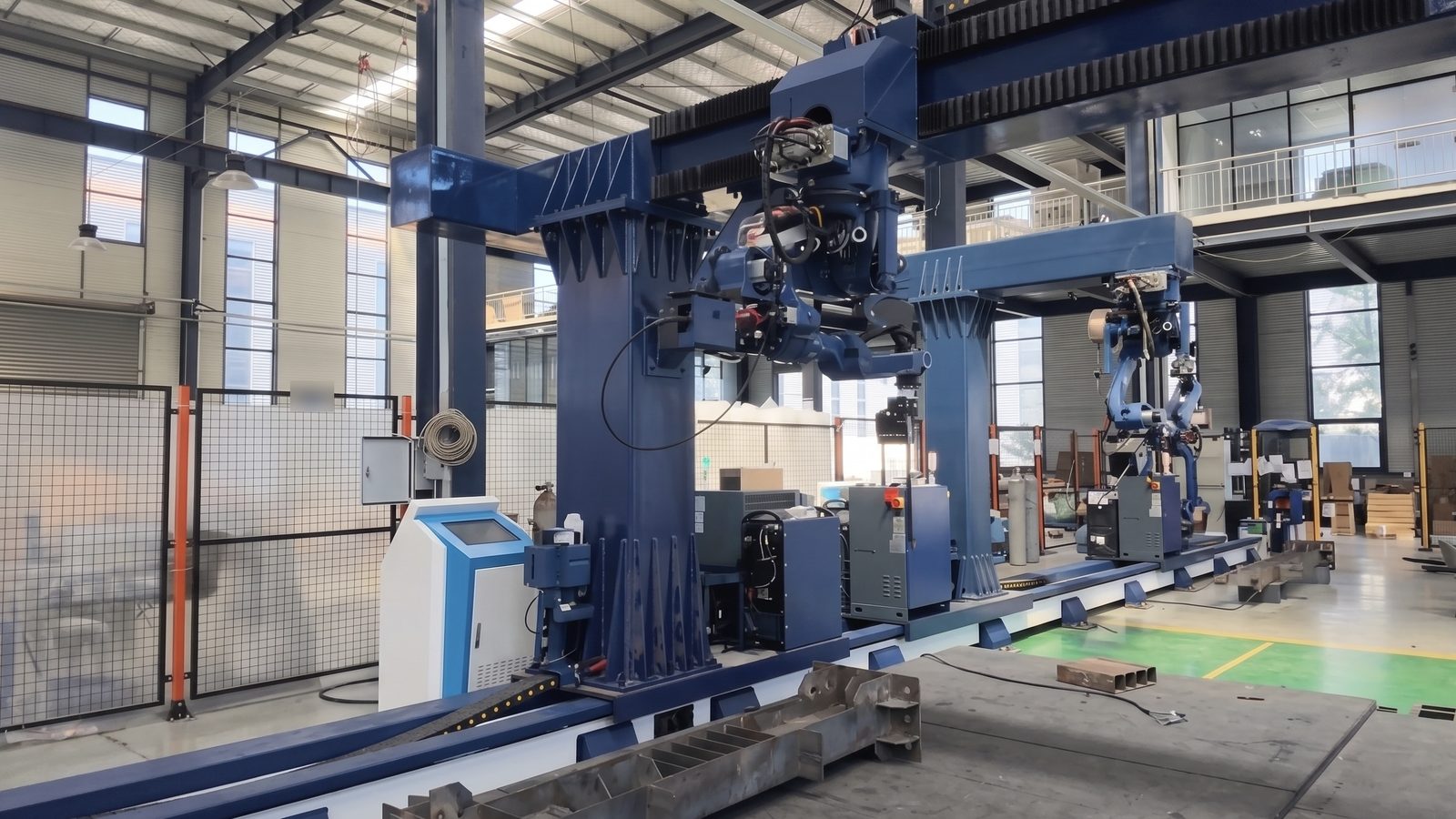
Two Weldrix robotic welding units traveling on the servo-driven ground rail
The welding robots and seam-finding sensors travel together along the ground rail, keeping the torch on the joint across long assemblies.
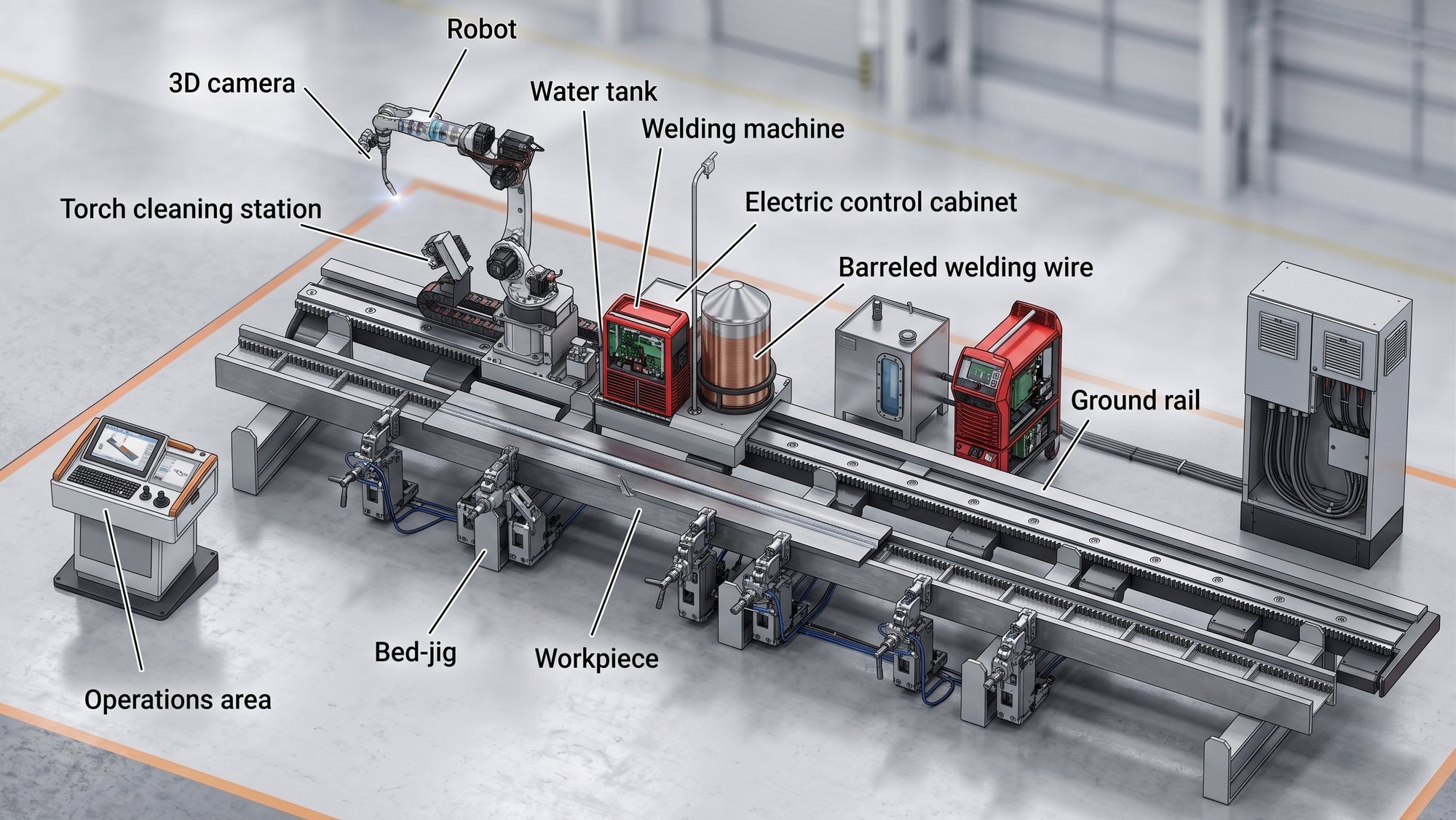
Equipment Overview

One Workstation. Every System in Its Place.

Robot, vision, welding power, wire supply, torch care, control, rail, fixtures, and operations area are organized as one production cell.
Labeled Weldrix equipment overview showing robot, 3D camera, welding equipment, ground rail, fixtures, torch cleaning station, and operations area
Representative workstation layout. Final rail, fixture, and work-zone configuration is sized around the assemblies your shop runs.
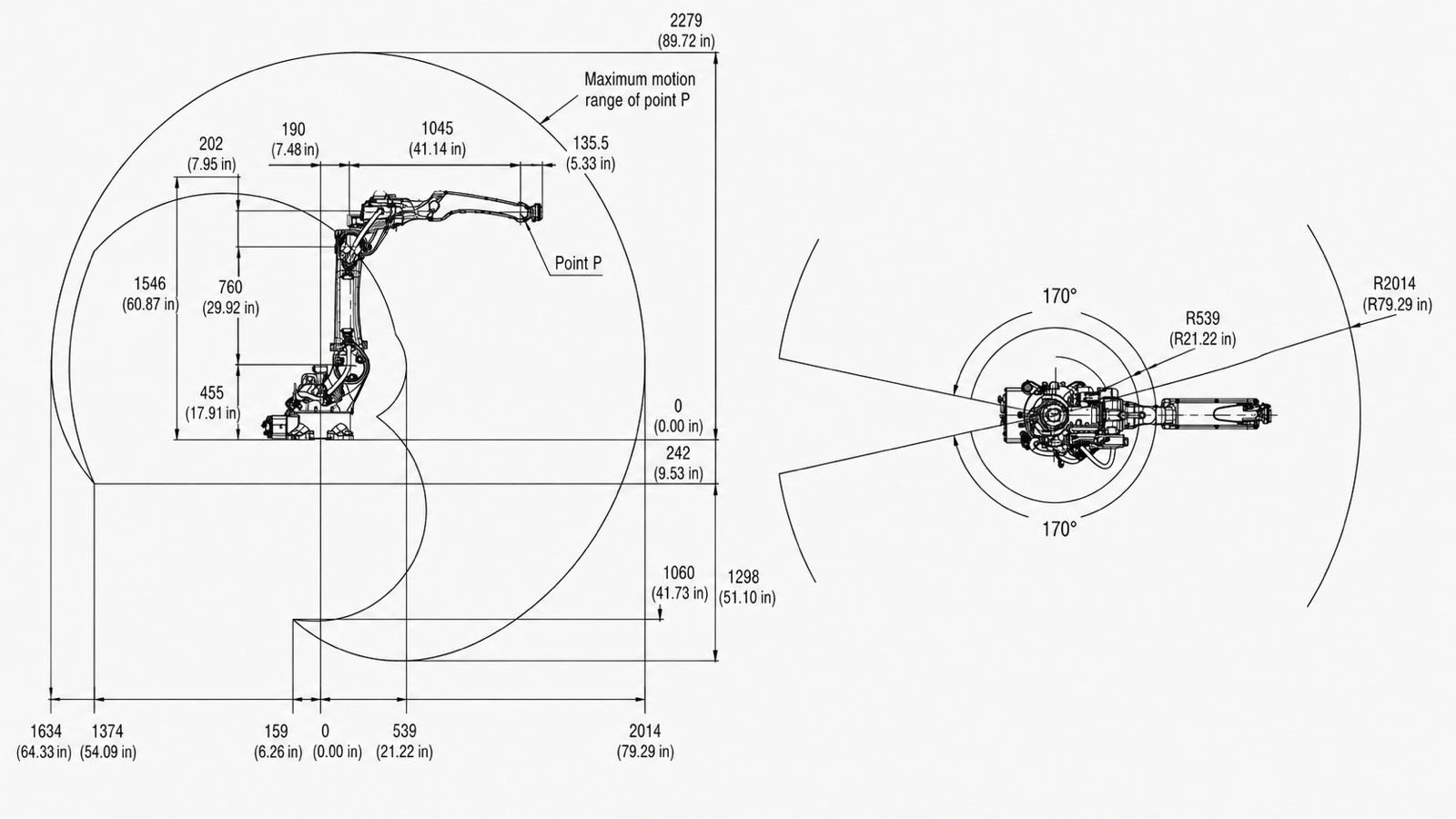
Reach & Work Envelope

Reach the Joint Without Repositioning the Whole Job.

Approximately 2 m (79 in) of robot reach and ±0.08 mm repeatability give the torch access around deep structural joints while the ground rail extends that controlled work envelope along the assembly.
Engineering drawing of the Weldrix robot reach and work envelope with metric and inch dimensions
Robot reach
≈ 2 m (79 in)
Repeatability
±0.08 mm
Torch payload
6 kg
Configuration
6-axis robot + servo ground rail
Configurable Ground Rail

Four Meters or Eighteen. Size the Travel to the Work.

Modular standard ground-rail and cantilever configurations extend the robot across long weldments without turning the cell into a one-job monument.
Weldrix configurable ground rail shown in 4, 6, 9, 12, and 18 meter lengths
Length options
4–18 m (≈13–59 ft)
Fixture-end load
Up to 1,500 kg
Rail repeatability
±0.1 mm
Traverse speed
Up to 1.7 m/s
Installation Flexibility

Floor-Mounted or Suspended Around the Work.

Configure WELDRIX™ as a standard floor-mounted ground-rail cell or a suspended arrangement when access, fixtures, or floor utilization call for a different approach.

The correct installation starts with the weldments, fixture loads, access paths, utilities, and production sequence—not with a standard showroom footprint.

PB Lasers engineers the workstation layout around your parts and trains the people who will run it.
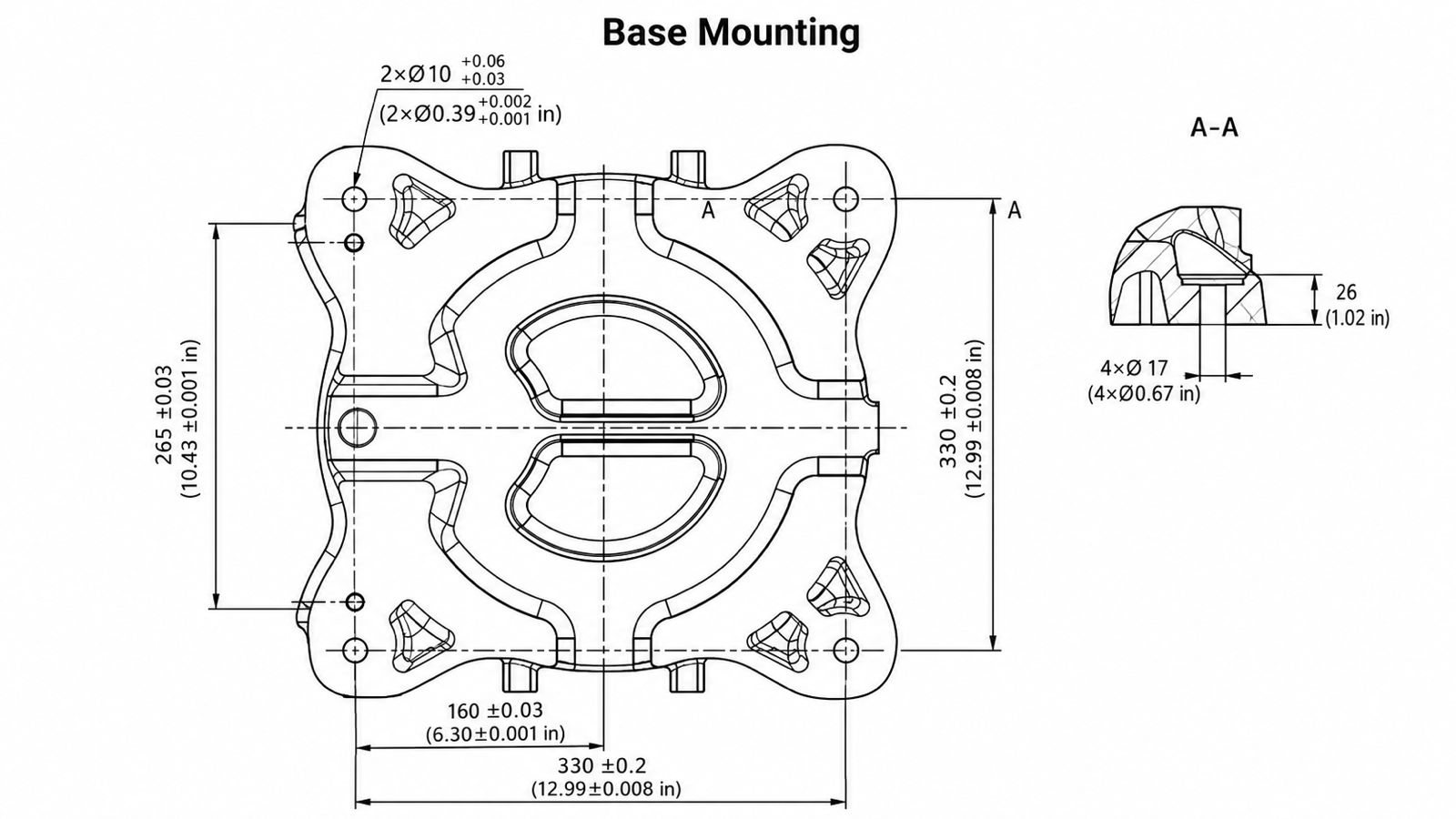
Engineering drawing of the Weldrix robot base mounting dimensions
Base-mounting reference for installation planning; final mounting is confirmed for the selected workstation layout.
Weld Quality & Output

Consistent Beads. Repeatable Parts. Production That Keeps Moving.

Automated path generation, seam tracking, stable welding power, and automatic torch care work together to produce repeatable welds across structural assemblies and production batches.
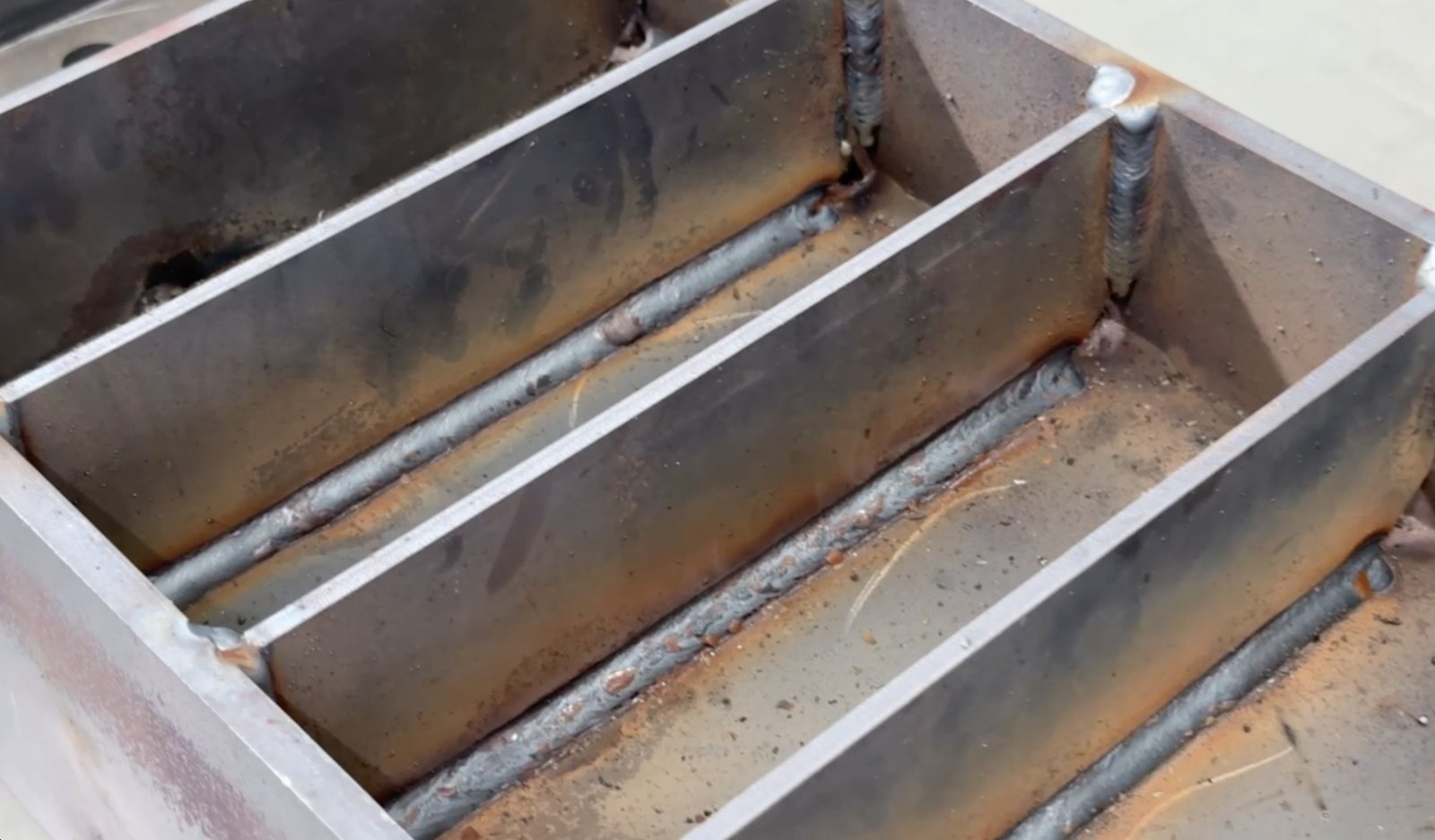
Close-up of finished robotic weld beads on a fabricated steel assembly
Finished weld beads across repeated internal joints.
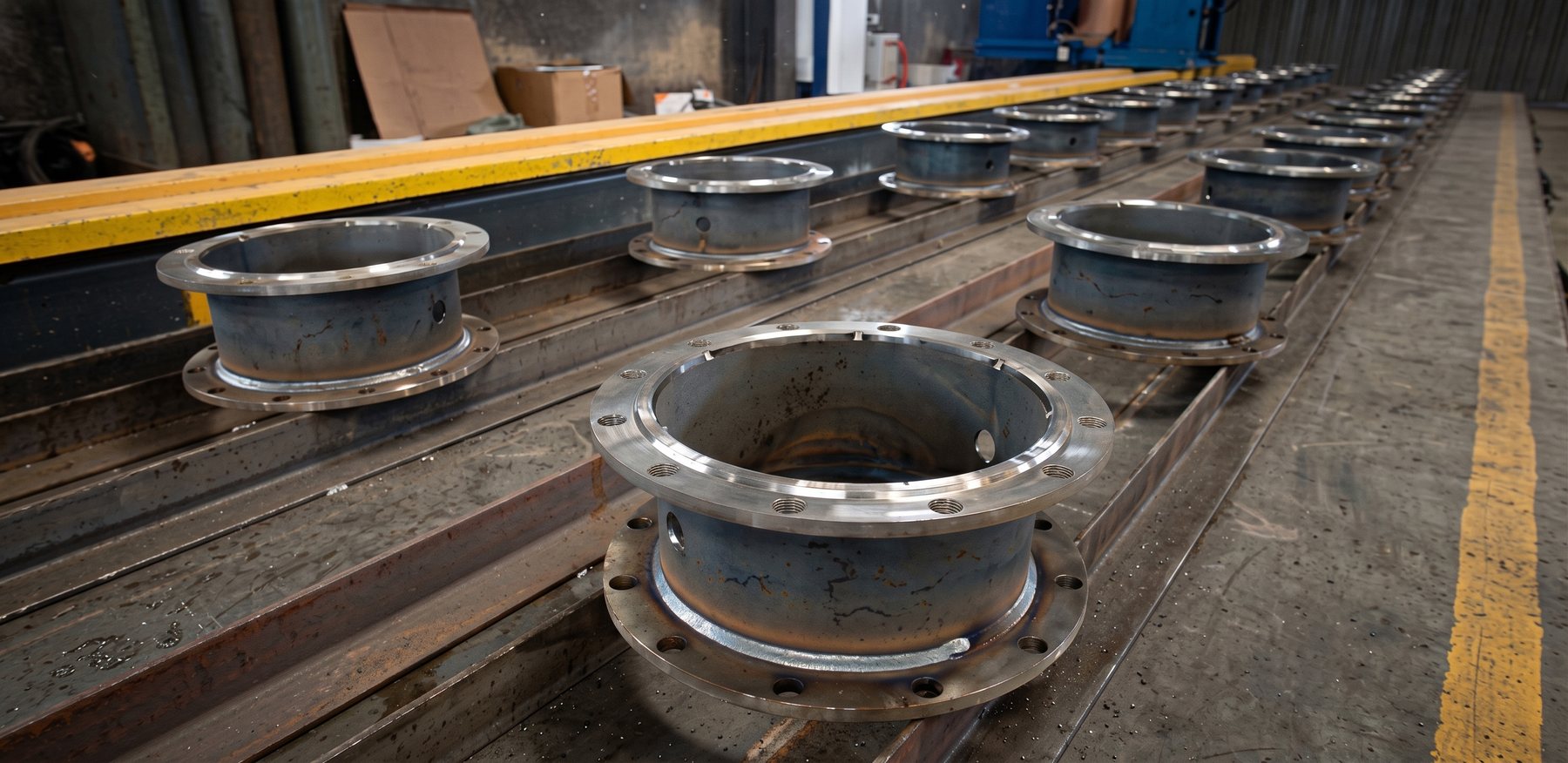
Row of finished welded steel flange assemblies in a fabrication shop
Production weldments staged after robotic welding.
Technical Specifications

The Numbers That Define the Workstation.

Final cell configuration is engineered around your weldments, fixtures, utilities, and production goals.
7-Axis Ground-Rail Robotic Welding Workstation
Configuration
7-axis (6-axis robot + servo ground rail)
Robot reach
≈ 2 m (79 in)
Repeatability
±0.08 mm
Torch payload
6 kg
Rail lengths
4–18 m options
Rail load
Up to 1,500 kg per fixture end
Rail repeatability
±0.1 mm
Rail speed
Up to 1.7 m/s
Welding process
MIG/MAG (GMAW)
Welding current
Up to 500 A
Duty cycle
100%
Wire diameter
0.8–1.6 mm
Vision
3D laser seam finder (200 fps)
Torch care
3-in-1 automatic cleaning station
Programming
Teach-free / CAD-model import
Installation
Floor or suspended
Power
3-phase
Watch It Work

See the Workflow Move from Model to Production.

Two views of teach-free robotic welding, automated path generation, and long-workpiece production on a ground rail.
Weldrix Teach-Free Robotic Welding Workflow
Weldrix Ground-Rail Robotic Welding in Production

Our mission is to bring productivity back to North American manufacturing.

WELDRIX™ turns structural welding knowledge into repeatable production.

Build the Right Welding Cell

Bring Us the Parts You Need to Weld.

An engineer will review your assemblies, rail length, fixtures, utilities, and production goals before recommending a workstation layout.